Choosing the Right Snake for Beginners

When it comes to choosing a pet, snakes might not be the first animal that comes to mind. However, they can make fascinating and low-maintenance companions for those willing to learn about their care. If you're considering getting a snake as your first pet, it's essential to choose the right species that suits your lifestyle and experience level. In this guide, we will explore various snake species, their care requirements, and tips for beginners to ensure a smooth start in the world of snake ownership.
Understanding Snake Basics
Before diving into specific species, it's crucial to understand some basic facts about snakes:
Lifespan: Many snakes can live for over a decade, with some species reaching 20 years or more. This long-term commitment should be considered before bringing one home.
Diet: Snakes are carnivores and typically eat rodents, birds, or insects, depending on the species. Understanding their dietary needs is vital for their health.
Habitat: Snakes require a suitable habitat that mimics their natural environment. This includes temperature control, humidity levels, and appropriate hiding spots.
Factors to Consider When Choosing a Snake
When selecting a snake, consider the following factors:
Size: Some snakes can grow quite large, while others remain small. Ensure you have enough space for the snake's adult size.
Temperament: Different species have varying temperaments. Some are more docile and easier to handle, making them suitable for beginners.
Care Requirements: Research the specific care needs of each species, including habitat setup, feeding, and health care.
Top Snake Species for Beginners
Here are some of the best snake species for beginners, along with their characteristics and care requirements:
1. Ball Python
Size: 3 to 5 feet
Temperament: Generally calm and easy to handle
Care Requirements: Moderate; requires a secure enclosure with proper heating and humidity.
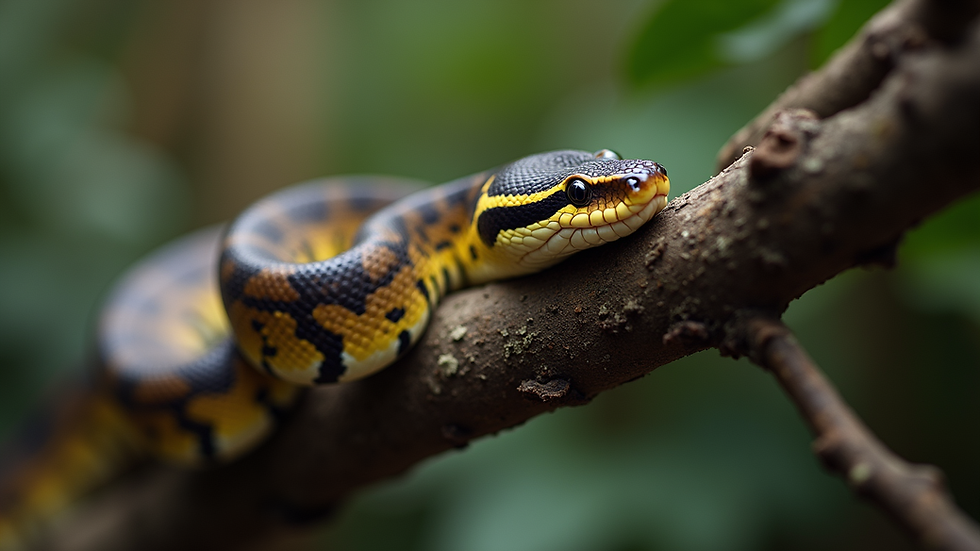
Ball pythons are one of the most popular choices for beginners due to their manageable size and docile nature. They come in various color morphs, making them visually appealing. Their care involves providing a suitable habitat with a temperature gradient and hiding spots.
2. Corn Snake
Size: 4 to 6 feet
Temperament: Friendly and easy to handle
Care Requirements: Low; adaptable to various environments.
Corn snakes are known for their vibrant colors and patterns. They are relatively easy to care for and have a gentle disposition, making them ideal for first-time snake owners. They thrive in a simple setup with proper heating and humidity.
3. California King Snake
Size: 3 to 4 feet
Temperament: Generally calm but can be a bit nippy when young
Care Requirements: Moderate; requires a secure enclosure and regular feeding.
California king snakes are known for their striking black and white patterns. They are hardy and adaptable, making them suitable for beginners. With proper handling and care, they can become friendly pets.
4. Garter Snake
Size: 2 to 4 feet
Temperament: Generally docile but can be skittish
Care Requirements: Low; requires a simple setup with access to water.
Garter snakes are small and easy to care for, making them great for beginners. They are often found in various colors and patterns. Their care involves providing a simple habitat with a water source for soaking.
5. Rosy Boa
Size: 2 to 3 feet
Temperament: Calm and easy to handle
Care Requirements: Low; requires a warm and dry environment.
Rosy boas are known for their beautiful coloration and gentle nature. They are relatively low-maintenance and can thrive in a simple setup. Their calm demeanor makes them a great choice for beginners.
Setting Up Your Snake's Habitat
Once you've chosen a snake, it's time to set up its habitat. Here are some essential components to consider:
Enclosure
Choose an appropriate enclosure based on your snake's size. Glass terrariums or plastic tubs are popular options. Ensure the enclosure has a secure lid to prevent escapes.
Heating
Snakes are ectothermic, meaning they rely on external heat sources to regulate their body temperature. Use heat mats or lamps to create a temperature gradient within the enclosure, allowing your snake to bask and cool down as needed.
Humidity
Different snake species have varying humidity requirements. Use a hygrometer to monitor humidity levels and mist the enclosure as needed to maintain the appropriate levels.
Hiding Spots
Provide hiding spots using rocks, logs, or commercial hides. Snakes feel secure when they have places to retreat, reducing stress.
Substrate
Choose a suitable substrate for your snake's enclosure. Options include aspen shavings, coconut fiber, or paper towels. Avoid cedar or pine shavings, as they can be harmful to snakes.
Feeding Your Snake
Feeding your snake is a crucial aspect of its care. Here are some tips for feeding:
Prey Size: Offer prey that is appropriately sized for your snake. A general rule is to feed prey that is about the same diameter as the widest part of your snake.
Feeding Frequency: Younger snakes may need to be fed more frequently (every 5 to 7 days), while adults can be fed every 10 to 14 days.
Frozen vs. Live: Many snake owners opt for frozen prey, as it is safer and easier to store. If using live prey, supervise the feeding to prevent injury to your snake.
Handling Your Snake
Handling your snake can be a rewarding experience, but it's essential to do it safely. Here are some guidelines:
Timing: Avoid handling your snake immediately after feeding, as this can cause stress or regurgitation.
Support: Always support your snake's body when handling. Use both hands to provide stability and security.
Calm Environment: Handle your snake in a quiet, calm environment to reduce stress for both you and the snake.
Common Health Issues
Like any pet, snakes can experience health issues. Here are some common problems to watch for:
Respiratory Infections: Symptoms include wheezing, lethargy, and difficulty breathing. Ensure proper humidity and temperature to prevent this issue.
Mites: These tiny parasites can cause irritation and stress. Regularly check your snake for signs of mites and treat them promptly if found.
Obesity: Overfeeding can lead to obesity, which can cause health problems. Monitor your snake's weight and adjust feeding as necessary.
Conclusion
Choosing the right snake for beginners involves understanding the species, their care requirements, and your own lifestyle. By selecting a suitable species and providing the proper habitat, you can enjoy a rewarding experience as a snake owner. Remember to research and prepare before bringing your new pet home, and you'll be well on your way to becoming a responsible snake keeper.
As you embark on this journey, keep learning and connecting with other snake enthusiasts. Your new companion will not only be a pet but also a fascinating addition to your life. Happy herping!

Comments